From the living room to the palm of your hand
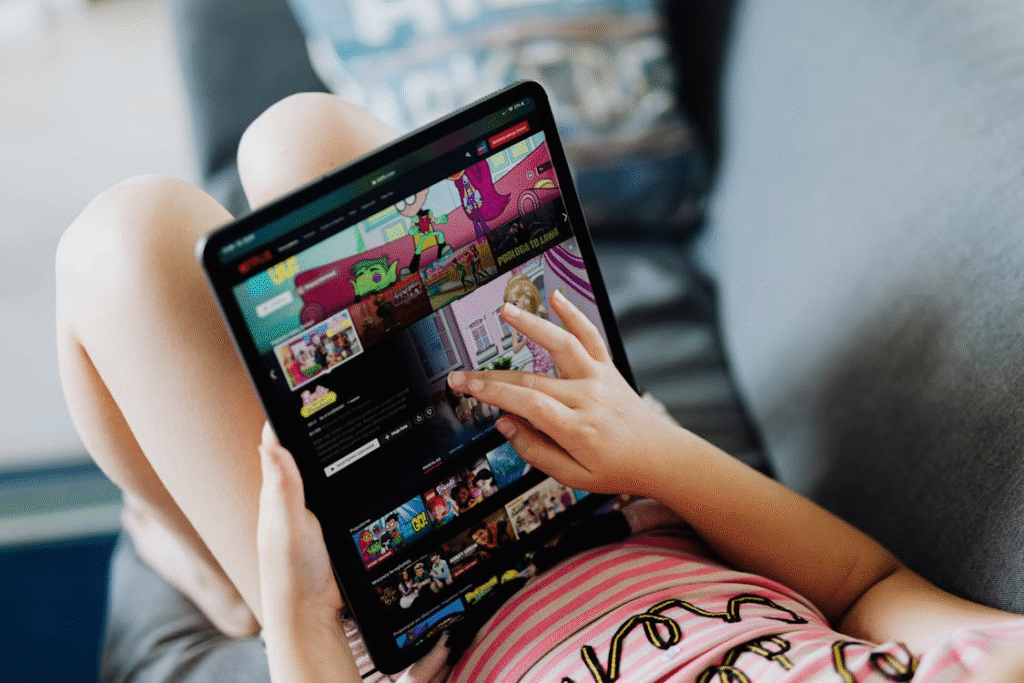
A few decades ago, gathering the family in the living room to watch a favorite show was a ritual. Television dictated the schedule, and the remote control was the most disputed object in the house. Today, that scene looks completely different. With streaming apps, entertainment is no longer tied to time and place—it’s available anytime, anywhere.
These apps have transformed not only the way we watch movies and series but also how we engage with music, sports, podcasts, and even games. Entertainment has become personalized, portable, and on-demand.
The revolution of “when and where you want”
In the past, viewers had to adapt to programming schedules. If you missed a soap opera episode or a football match, the only option was to wait for a rerun or hear the highlights from friends. Streaming apps flipped this dynamic by putting the user at the center of the experience.
Now, we can binge-watch entire seasons in one weekend, pause a show on a smartphone and resume it on a laptop, or download episodes to watch on a flight without Wi-Fi. This freedom gave entertainment a new dimension, perfectly aligned with modern lifestyles.
Personalization: every user with a unique showcase
One of the most striking features of streaming apps is personalization. Using recommendation algorithms, they analyze what users consume and suggest content they’ll likely enjoy.
This creates the feeling of having a private, tailor-made catalog. The result is an engagement cycle: the more you watch, the more accurate the suggestions become, encouraging continuous consumption.
The cultural impact of binge-watching
The term “binge-watch” only became mainstream with streaming platforms. Before, watching an entire series at once was nearly impossible, since episodes were released weekly. Now, with entire seasons dropping at once, binge-watching has become a cultural phenomenon.
This new habit changed the way people talk about entertainment. Audiences across countries can watch the same show almost simultaneously, sparking global discussions on social media. In this sense, streaming apps connect cultures and bring people closer through shared experiences.
Music without borders: the streaming soundscape
It’s not just movies and series that went digital—music streaming apps like Spotify, Deezer, and Apple Music completely reshaped the music industry. If once you had to buy CDs or download bulky files, today you simply press play to access millions of songs from anywhere in the world.
This accessibility democratized music consumption and gave independent artists the chance to gain visibility without relying solely on major labels. Personalized playlists, themed radios, and mood-based suggestions further expanded the listening experience.
The power of podcasts and new formats
Another major trend boosted by streaming apps is the rise of podcasts. This format has captivated audiences by offering information, entertainment, and even learning opportunities in an accessible way—perfect for commutes, workouts, or downtime.
Streaming platforms quickly adapted to include podcasts, making them a core part of the entertainment experience. Beyond complementing traditional media, podcasts have carved out their own space, fostering intimacy and building loyal communities.
Sports streaming: the new digital stadium
Sports have also been transformed by streaming. Apps now allow fans to watch live matches, replay highlights, and even track real-time stats during the game.
This model breaks geographical barriers: a football fan in Asia can watch Latin American championships live, something unthinkable years ago. Streaming has turned sports into an even more global and accessible experience, uniting fans across cultures in a massive digital stadium.
Challenges and ethical discussions
Despite its success, streaming raises important questions. The overwhelming number of choices can trigger anxiety and indecision—a phenomenon known as the “paradox of choice.” At the same time, reliance on algorithms sparks debates about content bubbles that limit cultural diversity.
Compensation is another sensitive topic. In music, many criticize the low royalties paid per stream. In film and television, disputes arise over contracts and distribution rights.
These challenges highlight that while streaming is revolutionary, there’s still work to be done to balance innovation, ethics, and sustainability.
The influence on cinema and traditional TV
With streaming on the rise, cinema and TV had to reinvent themselves. Movie theaters began investing in immersive experiences to compete with the comfort of home viewing, while TV networks launched their own on-demand apps.
This evolution didn’t erase traditional formats but redefined their role. The cinema became a destination for major premieres and collective experiences, while free-to-air TV leaned more heavily on live events and journalism to stay relevant.
Streaming and generational bridges
Streaming apps also connect generations. Grandparents explore classic movies while grandchildren discover new shows, often on the same platform. This shared space creates conversations and bonding moments, proving that technology doesn’t isolate—it unites different age groups through entertainment that appeals to both tradition and novelty.
Global storytelling made local
Streaming has turned global stories into local experiences. Viewers in different countries can access foreign productions instantly, with subtitles or dubbing that make them relatable. This accessibility promotes cultural exchange and exposes audiences to diverse perspectives, reshaping entertainment into a universal language of creativity and emotion.
The future of streaming: AR and the metaverse
Looking ahead, streaming promises to deliver even more interactive experiences. Some apps already use augmented reality to create immersive environments, allowing viewers to feel part of the content.
With the advance of the metaverse, we can expect concerts, movies, and sporting events to take place in virtual worlds, where each viewer interacts uniquely. Streaming will no longer be just about watching—it will be about living the experience.
The bridge between technology and emotion
At the end of the day, streaming apps are more than digital platforms. They are bridges between technology and emotion, convenience and culture. They shape how we laugh, cry, feel inspired, and connect with one another.
More than transforming the way we consume entertainment, streaming apps are transforming the way we feel entertainment. And that’s what ensures they will remain central to our lives for a long time to come.