Revolutionizing the classroom experience
Technology has dramatically transformed education, making learning more interactive, personalized, and accessible. Digital tools, from interactive whiteboards to educational apps, allow teachers to deliver lessons in creative ways while engaging students actively in the learning process.
Students are no longer passive recipients of information. With technology, they can explore subjects at their own pace, revisit complex topics, and engage with multimedia content that enhances understanding. Education is evolving from a traditional one-size-fits-all model into a flexible, student-centered experience.
Expanding access to learning
One of the most important impacts of technology in education is accessibility. Students from remote regions, those with disabilities, or individuals who cannot attend traditional schools can access high-quality learning materials online.
E-learning platforms, video lectures, and online courses democratize education, making it available to anyone with an internet connection. This opens opportunities for lifelong learning, helping students balance education with work, family, or other commitments.
Engaging students through interactive tools
Interactive tools such as simulations, virtual labs, and educational games make learning more engaging. Concepts that may seem abstract in textbooks become tangible and understandable through hands-on digital experiences.
Gamified learning motivates students to participate, fosters collaboration, and encourages critical thinking. By blending technology with pedagogy, teachers can create dynamic learning environments that keep students invested in their education.
Personalized learning and adaptive platforms
Artificial intelligence and adaptive learning software tailor educational experiences to individual students. These platforms analyze learning patterns, strengths, and weaknesses to provide customized lessons and exercises.
Personalized learning helps close knowledge gaps, reinforces challenging areas, and allows students to progress at their own speed. This approach ensures that education meets the specific needs of each learner, improving overall outcomes.
Supporting teachers and administration
Technology helps teachers focus on teaching rather than administrative tasks. Learning management systems, automated grading, and digital attendance tracking streamline classroom management.
With these tools, educators can monitor student progress, organize lessons efficiently, and dedicate more time to mentorship and individualized support. Technology makes classrooms more organized, allowing teachers to invest energy in teaching rather than paperwork.
Enhancing collaboration and communication
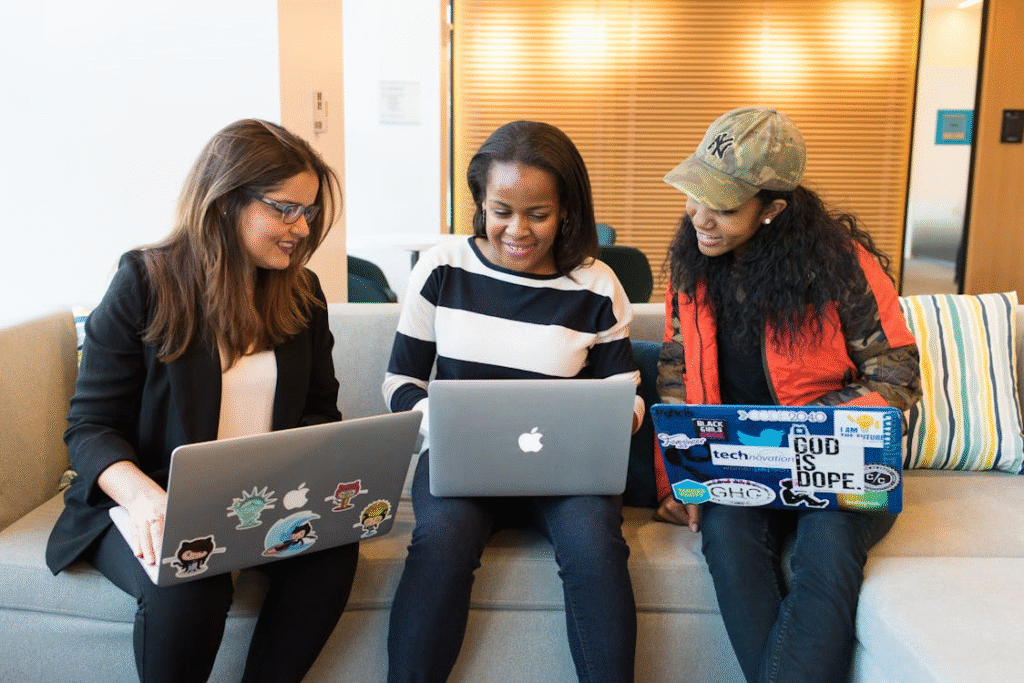
Digital platforms foster collaboration among students and between students and teachers. Tools like shared documents, discussion boards, and video conferencing enable teamwork, peer learning, and instant feedback.
These platforms also connect students globally, allowing them to interact with peers from different cultures and countries. Collaboration through technology builds teamwork skills and cultural awareness, preparing students for future professional environments.
Access to global resources
The internet provides students with access to an immense amount of information. Digital libraries, research databases, and educational websites allow learners to explore topics beyond their curriculum, developing curiosity and critical thinking.
Educators can also incorporate diverse perspectives and real-world examples into lessons, making education more comprehensive and globally informed. Students learn not only from textbooks but also from authentic, real-world content.
Lifelong learning opportunities
Technology supports continuous education beyond formal schooling. Adults can take online courses, earn certifications, or pursue higher education from anywhere in the world.
Distance learning eliminates barriers such as travel, scheduling conflicts, and limited local resources. This flexibility encourages lifelong learning and professional growth, empowering individuals to update their skills throughout life.
Inclusive education through assistive technology
Assistive technology helps students with disabilities participate fully in education. Tools like screen readers, speech-to-text software, adaptive devices, and captioning systems make learning more accessible and inclusive.
Inclusive education ensures that all learners, regardless of physical or cognitive challenges, can engage with content, succeed academically, and reach their full potential. Technology bridges gaps that traditional methods often leave unaddressed.
Fostering creativity and problem-solving
Technology encourages creativity and innovation. Students can use multimedia tools to produce projects, create simulations, and design solutions to real-world problems.
These experiences strengthen critical thinking, problem-solving, and innovative skills. By combining technology with creative learning, students gain practical abilities that prepare them for higher education and modern workplaces.
Data-driven learning and analytics
Digital platforms provide detailed analytics about student performance. Teachers can identify struggling students, adjust lessons, and provide personalized support.
Data-driven insights help optimize teaching methods, enhance learning outcomes, and make education more responsive. Analytics ensure that technology is used effectively to support student success rather than simply as a digital add-on.
Virtual reality and immersive experiences
Virtual and augmented reality create immersive learning experiences. Students can explore historical events, scientific phenomena, or engineering challenges in a safe, interactive environment.
Immersive learning improves retention, engagement, and understanding, allowing students to experience complex concepts firsthand without real-world risks.
Gamification for motivation
Gamification applies game-like elements—such as points, levels, and rewards—to learning. This approach increases motivation, participation, and engagement.
By turning education into an interactive experience, gamification keeps students invested and encourages consistent effort, improving both understanding and retention.
Bridging global education gaps
Technology bridges educational inequalities by providing access to quality resources and expert instructors worldwide. Students can collaborate with peers across borders, sharing ideas, perspectives, and knowledge.
This global connectivity encourages cultural exchange and helps students develop skills for a diverse, interconnected world. Education becomes not only inclusive but also internationally relevant.
Preparing students for the future
Integrating technology into education equips students with essential digital skills for the modern workforce. Skills such as coding, data analysis, digital communication, and problem-solving are increasingly important in virtually every field.
By using technology in learning, students become digitally literate, adaptable, and prepared for the demands of a rapidly changing professional environment.
Challenges and responsible use
Despite its benefits, technology also presents challenges. Overreliance on devices can reduce face-to-face interaction, attention span, and critical thinking. Ensuring equitable access and protecting data privacy are additional concerns.
Responsible use of technology, guided by educators and families, ensures that it enhances learning rather than hinders it. Awareness of potential pitfalls is essential to using technology effectively in education.
Conclusion
Technology has reshaped education by making learning more engaging, personalized, and accessible. From online platforms and virtual reality to adaptive software and assistive tools, digital innovation enriches the educational experience.
When used responsibly, technology enhances creativity, critical thinking, collaboration, and global awareness. By embracing educational technology, societies can provide inclusive, effective, and meaningful learning opportunities for students of all ages, preparing them for a connected and rapidly evolving world.