Learning a new language is more than memorizing words and grammar rules. It’s about opening doors to new cultures, creating professional opportunities, and even improving cognitive skills. However, not everyone has time to attend in-person classes or hire private tutors.
Fortunately, technology has made this journey easier. Today, there are apps that make learning interactive, fun, and accessible, allowing anyone, anywhere in the world, to start speaking a new language in a practical and efficient way. In this article, we’ll explore the three best apps for learning languages, showing how each can fit your lifestyle and help you achieve fluency consistently.
1. Duolingo: gamified learning
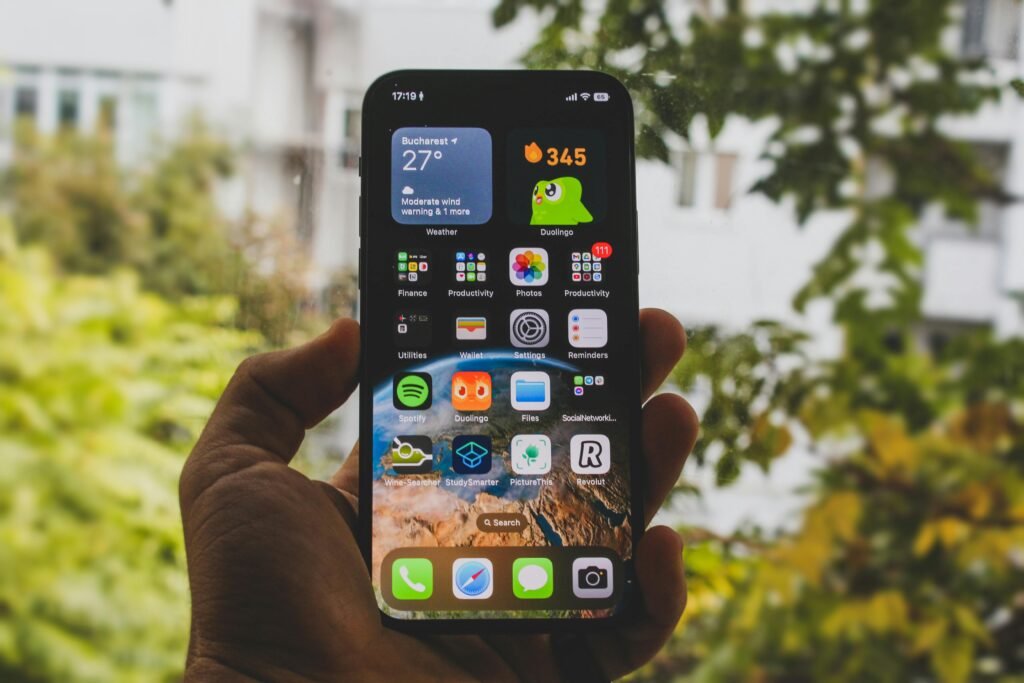
Duolingo is undoubtedly one of the most well-known apps for learning languages. Its standout feature is gamification, turning learning into a game.
Using Duolingo, you complete daily lessons that involve reading, writing, listening, and speaking. Each exercise is scored, and you can earn virtual rewards, creating constant motivation to maintain a daily habit.
Additionally, Duolingo offers:
- Variety of languages: over 30 languages, including English, Spanish, French, German, Japanese, and even Esperanto.
- Short lessons: perfect for those with little time, lasting 5 to 10 minutes per exercise.
- Immediate feedback: you know right away whether you got an answer correct, which helps learning.
Another advantage is the weekly challenges, which encourage users to stay active. These small challenges are excellent for building consistency, a key factor in mastering a language.
Duolingo is excellent for beginners and intermediates, providing a solid foundation in vocabulary and grammar. Its playful format helps reduce the fear of making mistakes, which is common among language learners.
2. Babbel: focused on conversation
If your goal is to truly communicate, Babbel is one of the best choices. It focuses on practical conversations, teaching phrases and expressions that you will actually use in everyday life.
Babbel stands out for:
- Structured lessons: each module covers a specific theme, such as travel, work, or local culture.
- Pronunciation exercises: using voice recognition technology, the app corrects your speaking.
- Cultural integration: besides the language, you learn about customs and context, making real communication easier.
Additionally, Babbel teaches grammar in context, avoiding purely theoretical learning. You apply the language in real-life situations, increasing confidence when speaking.
Although it is a paid app, many users find it worth the investment, especially for those seeking serious learning and fluency. Babbel is ideal for learners who already have a basic foundation and want to naturally express themselves in everyday conversations.
3. Memrise: fun learning with immersion
Memrise combines visual and audio memory techniques to help you quickly memorize vocabulary and expressions. Its main advantage is immersion in real-life contexts, featuring videos of native speakers using authentic phrases.
Memrise offers:
- Short videos with native speakers: hear real pronunciation and learn correct intonation.
- Spaced repetition: this method efficiently increases retention of words and phrases.
- Interactive learning: quizzes, games, and exercises help reinforce content without making study boring.
Another benefit is that Memrise presents the language in everyday situations, such as ordering food, chatting in public transport, or greeting people. This helps learners use the language practically and boosts confidence.
It’s an excellent choice for those who enjoy visual and dynamic learning, making the process light and enjoyable. Additionally, Memrise encourages daily practice, which is essential for consolidating knowledge.
How to choose the right app for you
Everyone learns differently, so it’s important to consider:
- Goal: do you want to learn basic vocabulary, improve conversation, or achieve full fluency?
- Available time: some apps work best in short daily sessions, while others require more commitment.
- Learning style: do you prefer games, structured lessons, or immersion with native speakers?
A valuable tip is to combine apps. For example, use Duolingo to build a foundation, Babbel to practice conversation, and Memrise to reinforce vocabulary. This creates a diverse and effective learning routine.
Benefits of learning a new language through apps
Learning languages through apps goes beyond convenience. Some benefits include:
- Flexibility: study anytime, anywhere.
- Cost-effective: many apps have free versions or are cheaper than in-person courses.
- Constant motivation: gamification and immediate feedback help maintain the habit.
- Cultural connection: many apps teach about the language’s culture, enriching the experience.
- Cognitive development: studies show learning another language improves memory, attention, and reasoning.
Moreover, mastering another language can open doors in the job market and increase opportunities for international networking.
Tips to maximize your learning
To get the most out of language apps:
- Set daily goals: even 10 minutes per day yields consistent results over time.
- Review regularly: repetition is essential to retain vocabulary and grammar structures.
- Practice outside the app: try reading articles, watching videos, or speaking with native speakers.
- Don’t fear mistakes: errors are part of the process and help consolidate learning.
- Combine methods: apps, podcasts, videos, and books increase exposure to the language.
Creating a learning journal is also useful—note new words, favorite phrases, and weekly progress. This helps maintain motivation and track improvement.
Conclusion: start today and transform your life
Learning a new language is a transformative experience, and technology makes it more accessible than ever. With apps like Duolingo, Babbel, and Memrise, you can study in a fun, practical, and efficient way, building skills that last a lifetime.
The key is to take the first step and remain consistent. Choose the app that fits your style, set up a daily routine, and dive into practice. The more you expose yourself to the language, the more natural it becomes, and soon you’ll be communicating confidently in another language.
So don’t wait. Download one of these apps today and start expanding your horizons, discovering new cultures, and opening opportunities that only a new language can provide.